The practice of family-based music therapy has generally been directed toward families of individuals with special needs, focusing on both the needs of the indivudal and the family context/needs of the parents. There is support within the literature for treating individuals within the family context, with one meta-analysis offering evidence that care provided within the family context offers a range of benefits for the family as a whole as well as for individual family members (Dunst, Trivette, & Hamby, 2007), suggesting that it may be of value to expand access to these services to families outside of the usual clinical context in which music therapists see clients. Continue reading →
There has been a substantial amount of research conducted within the last 20 years relating to the use of music within the NICU context, both by music therapists and other medical professionals. Researchers have shown that music may be beneficial for decreasing stress symptoms, crying, and the length of NICU stays. Furthermore, music may be used to increase vital signs, coordinate sucking and feeding behaviors, and weight gain. These outcomes indicate that music therapy may be an incredibly beneficial intervention for premature infants. Continue reading →
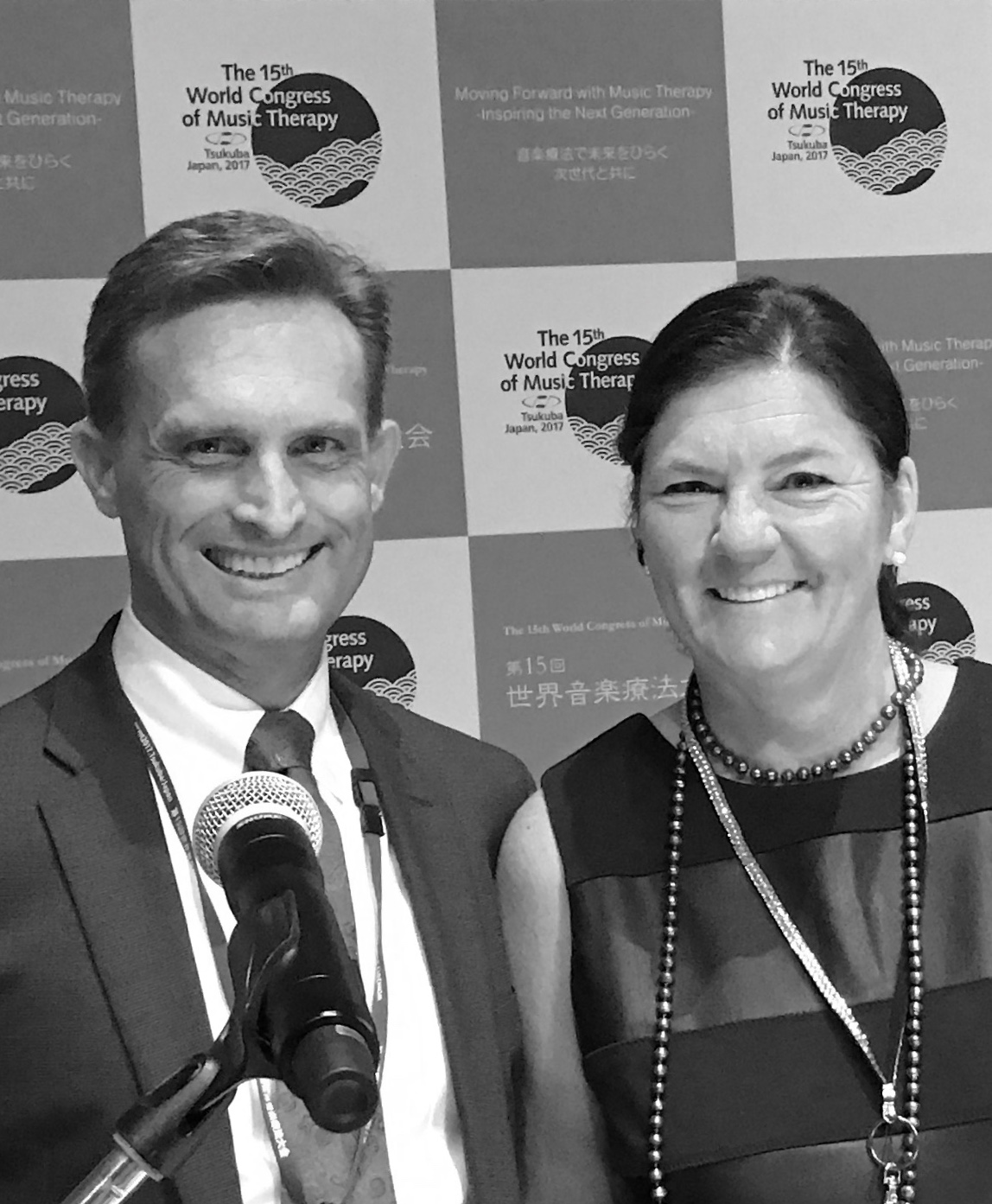
Dr. Petra Kern, owner of Music Therapy Consulting, is adjunct Associate Professor at the University of Louisville and Editor-in-Chief of the online magazine imagine. She is a former WFMT President, currently serves on CBMT’s Board of Directors, and is a recipient of AMTA’s Research/Publications award.
Dr. Daniel Tague is Assistant Professor and Chair of Music Therapy at Southern Methodist University. With experience as a teacher, clinician, blogger and researcher, he currently serves as Chair of the Clinical Practice Commission of the WFMT.
Link: Their international survey is published in the Journal of Music Therapy
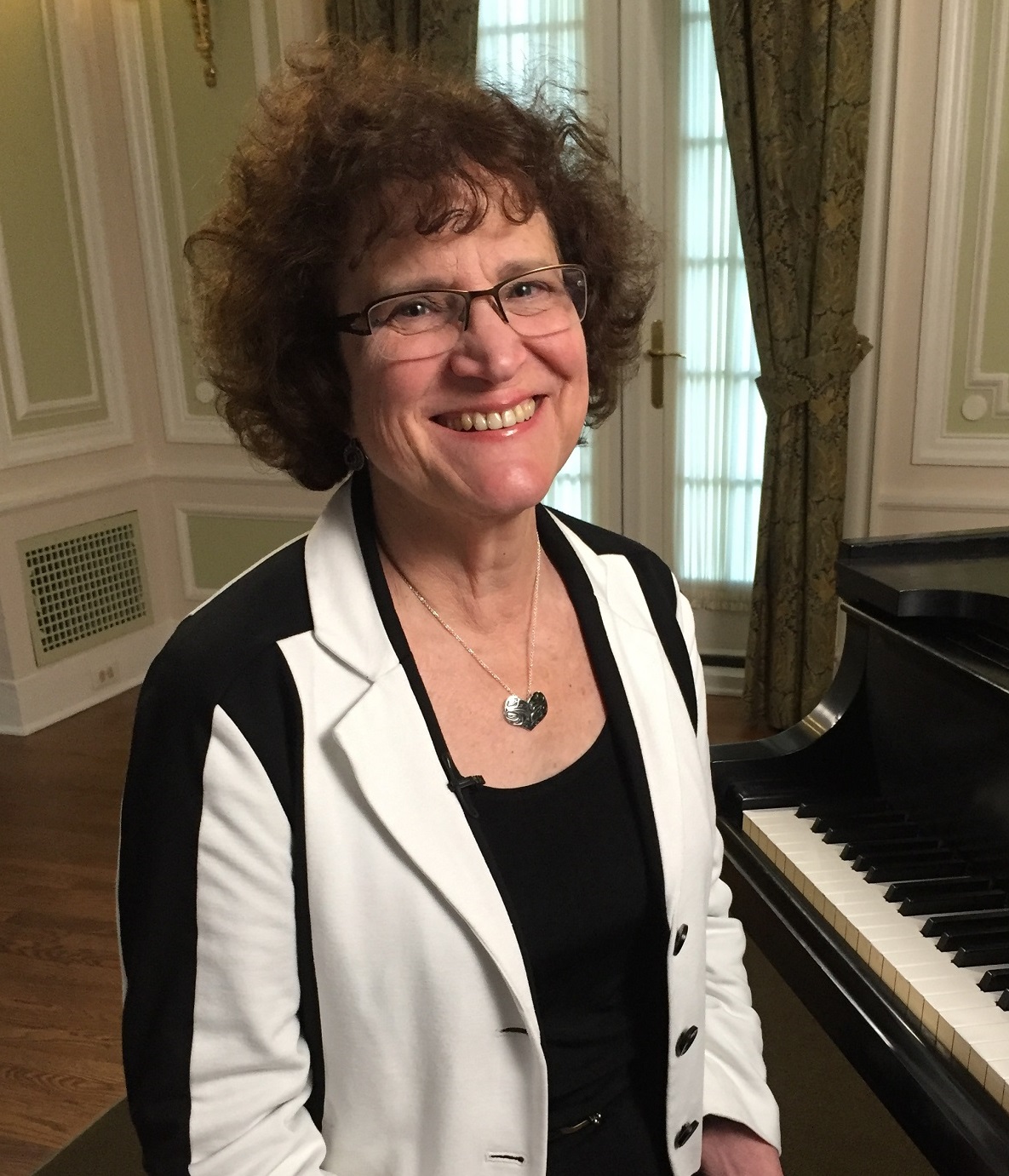
Chair of the Center for Music Therapy since 2004 and a Music Therapist at The Music Settlement (TMS) since 1988, Ronna Kaplan has served clients ranging from premature infants to adults through 103 years-of-age with varied disabilities and levels of functioning. Her special interests are young children and individuals with diagnoses on the autism spectrum, language delays and/or problems in the area of social skills, as well as teen parents or those with mental illness. She was instrumental in developing the Center’s Outcomes-Based Measurement tool and program and supervised many TMS Center for Music Therapy interns. Ronna served as TMS Interim Co-Executive Director and Acting Director of the Performing Arts Department/Music School for several months in 2007.
Ronna earned a Bachelor of Music in Music Therapy and Music Education from Michigan State University and a Master of Arts in Special Education from Kent State University. She holds a Certificate in Nonprofit Management from the Mandel Center for Nonprofit Organizations at Case Western Reserve University, as well as certificates in DIRR/Floortime(TM)Basic Course and Orff Level I. She completed her Neurologic Music Therapy training from the Robert F. Unkefer Academy of Neurologic Music Therapy at Colorado State University’s Center for Biologic Medical Research in Music. Ronna conducted research on the effects of music on premature infants in Cleveland Clinic’s Neonatal Intensive Care Unit, as well as music therapy program goals and outcomes for clients with autism spectrum diagnoses at The Music Settlement. Additionally, she taught classes in Music Therapy Practicum and Adapted Percussion classes at Baldwin-Wallace College for 14 years.
She has held significant positions in state, regional, and national music therapy organizations. A Past President of the American Music Therapy Association (AMTA), Ronna co-chaired the AMTA’s Autism Think Tank/Task Force from 2008-2009 and the AMTA Diversity Task Force from 2010- 2015. She served as co-chair of AMTA’s Early Childhood Music Therapy Network from its inception in 1994 until 2006. Ronna has published articles and book chapters, guest lectured at colleges and universities, and presented nationally and internationally. She was honored with the Association of Ohio Music Therapists Past Presidents’ Club Award in 2011, the AMTA Professional Practice Award in 2003, the Great Lakes Region of AMTA’s Service Award in 1997 and their Honorary Life Member Award in 2014.
Currently, Ronna serves as a member of AMTA’s Masters Level Entry subcommittee and the Editorial Board for Music Therapy Perspectives. She became the Chair of the National Coalition of Creative Arts Therapies Associations (NCCATA) in October 2016. She also writes a music therapy column for the Huffington Post.
Errata: At 5:05 the university mentioned should be KSU, not Michigan State University.
Having worked in music therapy for 24 years, Annette Whitehead-Pleaux is an Adjunct Professor at St. Mary-of-the-Woods College in Indiana. Her clinical work is currently focuses on pediatric burn and orthopedic populations at Shriners Hospitals for Children-Boston. There she provides clinical services that focus on pain management, anxiety management, reduction in trauma symptoms, body image, improving fine and gross motor skills, and quality of life issues. In addition to her clinical work, Annette has conducted clinical research on the effects of music therapy on pain. In 2003, she was awarded the Arthur Flagler Fultz Research Grant Award for her research on the effects of music therapy on pain and anxiety of pediatric patients undergoing medical procedures. She has an interest in and has written about using music assisted technology into music therapy practice, trauma, and multicultural issues. Prior to working with pediatric burn patients, she worked with children, adults, and geriatric individuals diagnosed with mental illness. Additionally, she has worked with children in special education classrooms and women and children at a domestic violence program. She has served AMTA since 1997 on the Assembly Delegates, the Board of Directors (2012- present) the Standards of Clinical Practice Committee (2002-present), the Research Committee (1997-2002), Financial Advisory Committee (2010-present), and the MPT Editorial Board (2011-present). She currently is the Speaker of the Assembly of Delegates. In 2003, Annette was named one of Thirty Extraordinary Bostonians by the Boston Event Guide. She was awarded the President’s Achievement Award by the New England Region in 2004 and again in 2012. She has a passion for knitting and being a mom.
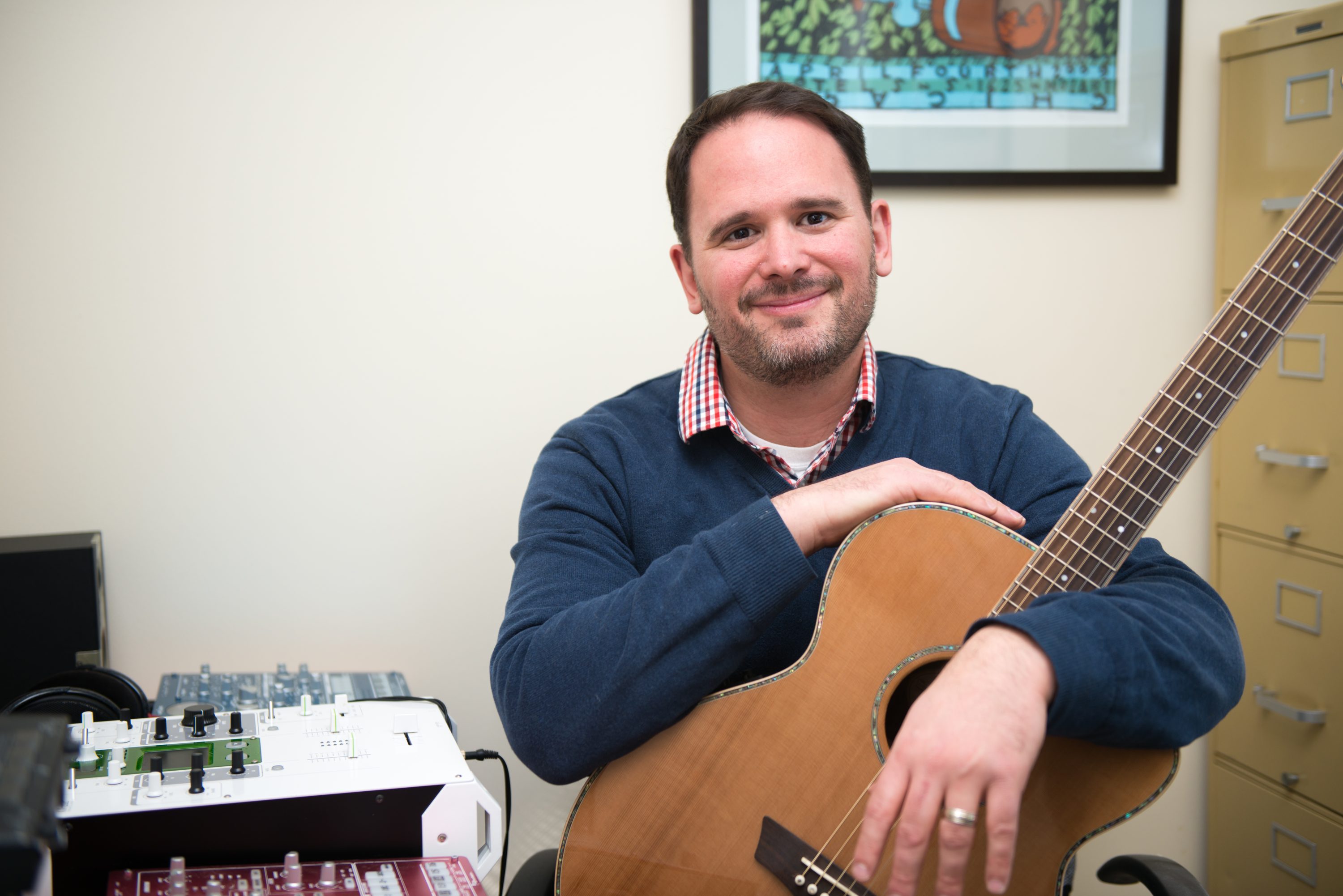
Robert Groene is an Associate Professor and the Director of Music Therapy at UMKC. He received his BS, MA, and PhD degrees from the University of Minnesota. He is a past professor at The University of Iowa and Wartburg College. Dr. Groene is an active teacher researcher, clinician and research editorial board member in local, regional, national, and international venues. He was a past nominee for President-Elect of the American Music Therapy Association, Past President of the AMTA Midwestern Region, former Co-Chair of the AMTA Standards of Clinical Practice, and a recipient of the AMTA Service Award.
He is a former Interim Associate Dean of Academic Affairs at the Conservatory, a recipient of the Muriel McBrien Kauffman Conservatory Excellence in Teaching Award, and a recipient of the Kauffman Conservatory Service Award. Dr. Groene is a Leadership Fellow of the UM System and Co-Chair of the 2020 Task force Faculty/Staff/Student Climate Subcommittee. His current research interests include the efficacy of music therapy concerning neurologic music therapy, curriculum, imagery, dementia, road rage, dental fears, and aging in community.
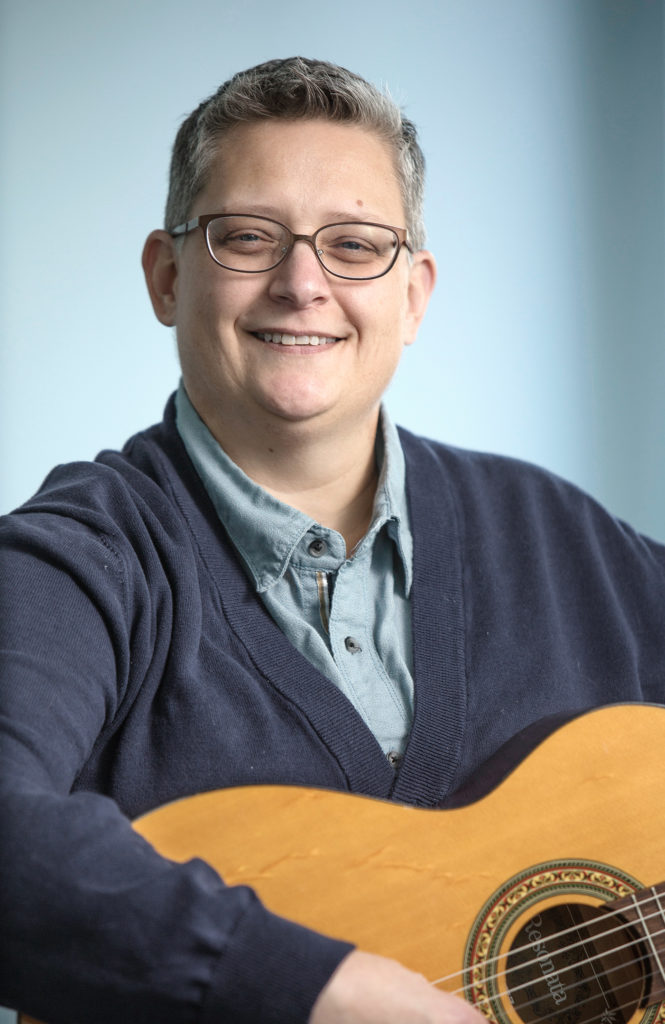
Michael Viega, Ph.D., LCAT, MT-BC, is an Assistant Professor of music therapy at the State University of New York (SUNY), New Paltz and a Fellow in the Association of Music and Imagery. He has published and presented on a wide range of topics such as Hip Hop and music therapy (which can be found in a 2016 edition of Music Therapy Perspectives), arts-based research methodologies, therapeutic songwriting, and adverse childhood experiences and adolescent development. He serves on the editorial board for Music Therapy Perspectives and Voices: A World Forum for Music Therapy. He is currently the President-elect of the Mid-Atlantic Region of the American Music Therapy Association (MAR-AMTA) and on a national level, serves on the AMTA Assembly of Delegates.
Joy Allen, PhD, MT-BC is an accomplished clinician, researcher, and educator. She has extensive experience working with medical patients where she focuses on psychological health, pain management, and the family system. She is particularly passionate about working with individuals and families facing chronic illnesses, including cancer. Her current research interests include quantitative analysis of the effects of music therapy on the psychological health of medical patients, Guided Imagery & Music with medical patients, as well as medical music therapy theory development and efficacy research. She is currently chair of the music therapy department at Berklee College of Music.
Music is Jimniclucl by Kid Romance from the album Boston Hassle Comp
Varvara Pasiali, PhD, MT-BC, is an associate professor of music therapy at Queens University of Charlotte. She completed her Master’s in music therapy at the University of Kansas and her doctorate at Michigan State. Her research interests include early intervention, prevention, resilience, and parent-child attachment/reciprocity. Dr. Pasiali is a regular presenter at conferences and has published in various journals. She also serves on the editorial board of the Journal of Music Therapy, and Approaches: An Interdisciplinary Journal of Music Therapy. Mentioned in this podcast:
Sallet and Jentschke (2015) studied the relationship between language acquisition and music perception in children with specific language impairments (SLI). While this topic has been studied many times before, Sallet and Jentschke explored a much younger age than has previously been studied (four- and five-year-olds). Continue reading →